
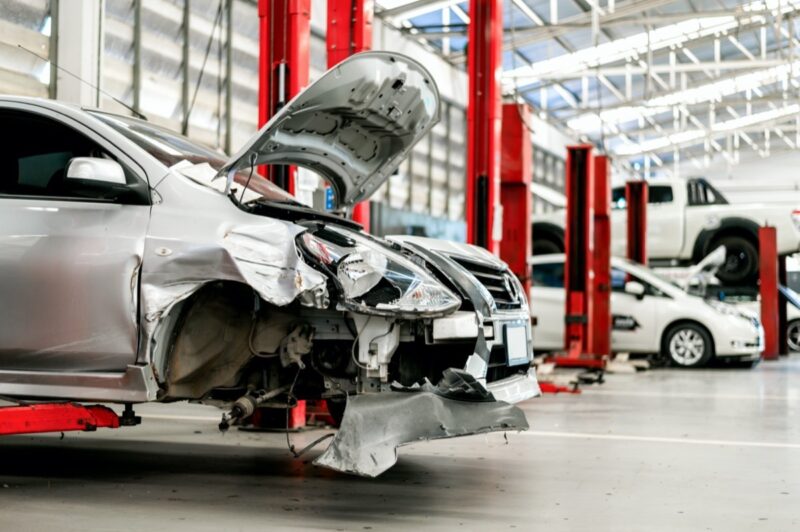
When a vehicle is handed back after an accident repair, the real question isn’t whether it looks good—it’s whether it lives right again. In a market like Indianapolis, where weather, infrastructure, and technology collide daily, perfect car restoration has become a discipline, not a task. The difference between acceptable and exceptional lies in decisions most people never see, yet feel every mile thereafter.
Table of Contents
Electronics That Think for You (Only if they’re Re-Taught Right)

Today’s vehicles don’t just move; they interpret the world. After an accident, those interpretations can quietly become wrong. Cameras shift. Radar angles change. Control modules store crash data that alters behavior long after panels are replaced.
For example, since modern windshields house the cameras and sensors for Lane Departure and Emergency Braking, the glass is no longer just a window; it’s a component of the digital safety system.
This is why sophisticated shops collaborate with Auto Glass Repair experts; they recognize that if a windshield is replaced or even slightly shifted during structural repair, the optical path of the safety sensors changes, requiring a precision recalibration that general mechanics often overlook.
High-level restoration acknowledges that safety systems require education after trauma.
Strategic repair operations insist on:
- Full diagnostic pre-scans to reveal hidden faults
- Post-repair scans to confirm system integrity
- OEM-calibrated ADAS realignment procedures
On Indianapolis highways like I-465, where lane discipline and traffic density fluctuate fast, a mis-calibrated sensor isn’t inconvenient—it’s dangerous. The shops that understand this don’t just fix cars; they reestablish trust between machine and driver.
Structural Accuracy: Where Millimeters Decide Outcomes

If you’re an individual owner, a fleet manager, or even an investor assessing long-term asset value, this matters: structural integrity is not visual. It’s mathematical. Many collision centers still rely on experience and “eyeballing” frame pulls. That approach belonged to another era.
Precision restoration means restoring the vehicle’s skeletal geometry to manufacturer-defined coordinates—not approximations. A deviation smaller than a grain of rice can change how energy travels through the vehicle in a future impact.
Specialized restoration thinking looks like this:
- Laser-guided frame measurement, not manual checks
- Digital mapping against OEM specifications
- Verification across X, Y, and Z axes—not just symmetry
In Indianapolis, where potholes and freeze-thaw cycles punish suspension systems, even minor misalignment compounds quickly. True professionals treat the frame not as metal to bend back, but as a safety architecture to be mathematically respected.
Wisdom in Materials’ Choice Matter More Than Marketing Labels
Not all steel is equal. Not all coatings survive Indiana winters. The decision between OEM and aftermarket parts is not about brand loyalty—it’s about metallurgy, corrosion resistance, and engineered collapse behavior.
Aftermarket panels may fit today. Two winters later, the story often changes.
Professional-grade decision-making prioritizes:
- Factory corrosion protection compatible with road salt
- Proper metal thickness for crash energy management
- Exact mounting geometry to avoid stress fractures
In a city where salt trucks run hard for months, inferior coatings fail quietly. Rust begins at welds. Seams expand. What looked cost-effective becomes depreciation accelerated. Restoration specialists think beyond the invoice—to lifecycle performance and retained value.
Color Alignment and Matching Is Science, Not a Code
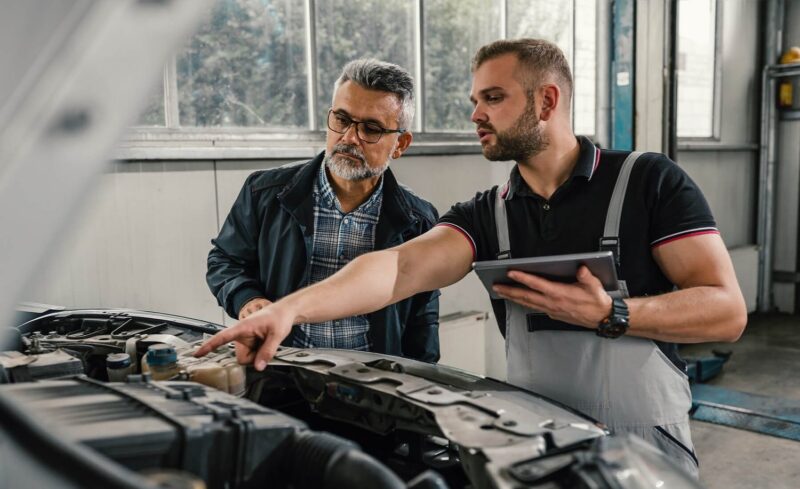
Paint codes are starting points, not solutions. Sun exposure, age, and environmental fallout subtly alter a vehicle’s finish over time. That’s why two “identical” colors can clash under different lighting.
This is where expertise shows—or doesn’t.
Advanced paint correction relies on:
- Digital spectrophotometry to read actual color conditions
- Custom-mixed formulas accounting for fade and tone shift
- Strategic blending into adjacent panels
In Indianapolis’ varied light—from gray winter skies to harsh summer sun—poor blending is exposed fast. High-end restoration isn’t about repainting a panel; it’s about erasing the evidence that anything ever happened.
Climate-Controlled Curing: Respecting Indiana’s Extremes
In painting, failures like solvent pop rarely announces itself immediately. It waits. Humidity gets trapped. Solvents linger. Six months later, bubbles rise or gloss dulls. Professionals don’t leave this to chance.
As such, “gold standard” of automotive refinishing is non-negotiable:
- Temperature-regulated spray booths
- Humidity-managed curing cycles
- Manufacturer-approved bake times
Indianapolis weather swings aggressively. Restoration strategies that ignore this reality gamble with durability. Shops that invest in environmental precision are thinking long-term—about finish longevity, chemical stability, and resistance to seasonal abuse from sleet, gravel, and salt.
Interior Cleanliness as a Quality Signal
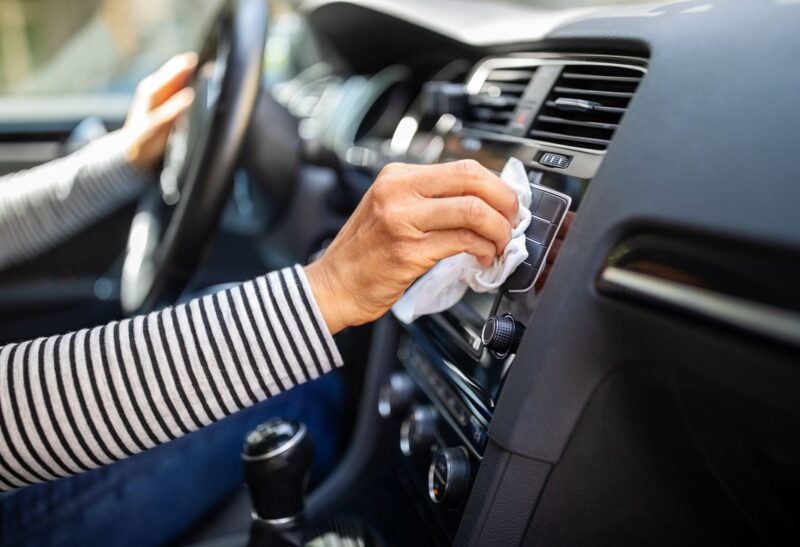
Here’s something seasoned professionals know: sloppy interiors usually point to sloppy processes. Dust left behind didn’t just fall there—it traveled.
High-standard operations treat final cleaning as inspection, not courtesy.
This mindset shows up as:
- Interior vacuuming that reveals missed trim fasteners
- Odor elimination that confirms proper material curing
- Exterior washing that exposes paint inconsistencies
Returning a vehicle cleaner than it arrived isn’t about hospitality. It’s about confidence. If a shop takes responsibility for your floor mats, chances are they took responsibility for your welds, calibrations, and torque specs too.
Post-Repair Verification: Proof over Promises
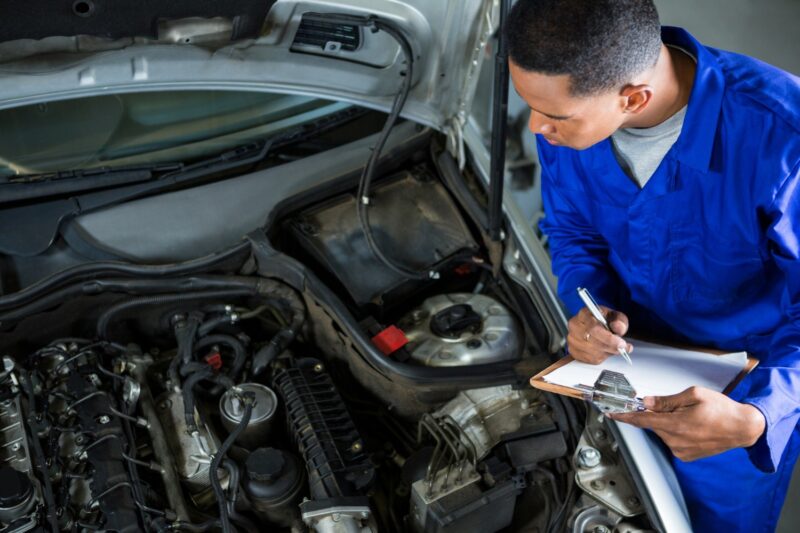
Words like “done” and “finished” mean nothing without data. Modern restoration doesn’t end with assembly—it ends with validation. The most reliable shops can prove system integrity.
Look for operations that provide:
- Printed post-repair diagnostic reports
- Confirmation all modules are communicating
- Documentation that no hidden fault codes remain
For business owners managing fleets or families planning long-term ownership, this documentation is leverage. It protects resale value, insurance standing, and peace of mind. Transparency isn’t extra—it’s professional hygiene.
Internal Corrosion Protection (The “Midwest Longevity” Seal)
Most corrosion doesn’t announce itself. It starts where no one looks—inside panels, seams, and boxed sections that were once protected by factory-applied E-coat. During collision repair, that original corrosion barrier is often compromised by heat, grinding, or welding. In a salt-heavy environment like Indianapolis, bare internal metal can begin oxidizing in a single winter.
High-level restoration treats this as a longevity problem, not a cosmetic one.
A professional corrosion strategy includes:
- Zinc-rich primers applied to exposed metal before welding
- Post-repair injection of cavity wax into enclosed structures
- Use of 360-degree wands to reach seams, flanges, and overlaps
This internal wax doesn’t harden; it creeps, sealing moisture pathways and blocking salt intrusion over time. Shops that skip this step leave vehicles vulnerable to rust that grows from the inside out—often invisible until it’s structurally significant.
The differentiator? Verification. Advanced operations use borescope inspections to visually confirm internal protection. This is the “Smoking Gun” of high-end collision repair. Leveraging Remote Visual Inspection (RVI) is the ultimate mark of a “perfected” restoration.
In a city like Indianapolis, where the “Salt Belt” reality can turn a beautiful repair into a rusted shell in three winters.
In essence, true car restoration isn’t loud, it is in the silent details. It doesn’t announce itself with shiny panels alone. It reveals itself months and years later in how a vehicle ages, protects, and performs without drama. In Indianapolis, where conditions are unforgiving, specialization and strategy matter. Choose an auto body shop that respect details which you may never see (but feel), embraces best technology, and does not compromise on professional standards.